


Branding in Asia: How Can Creatives Lead in an AI World?

Kathryn Shannon Sim of LASALLE College of the Arts, University of the Arts Singapore, on how educators can help emerging creatives develop the judgment to direct AI with intention, and the five capabilities she sees becoming increasingly important.
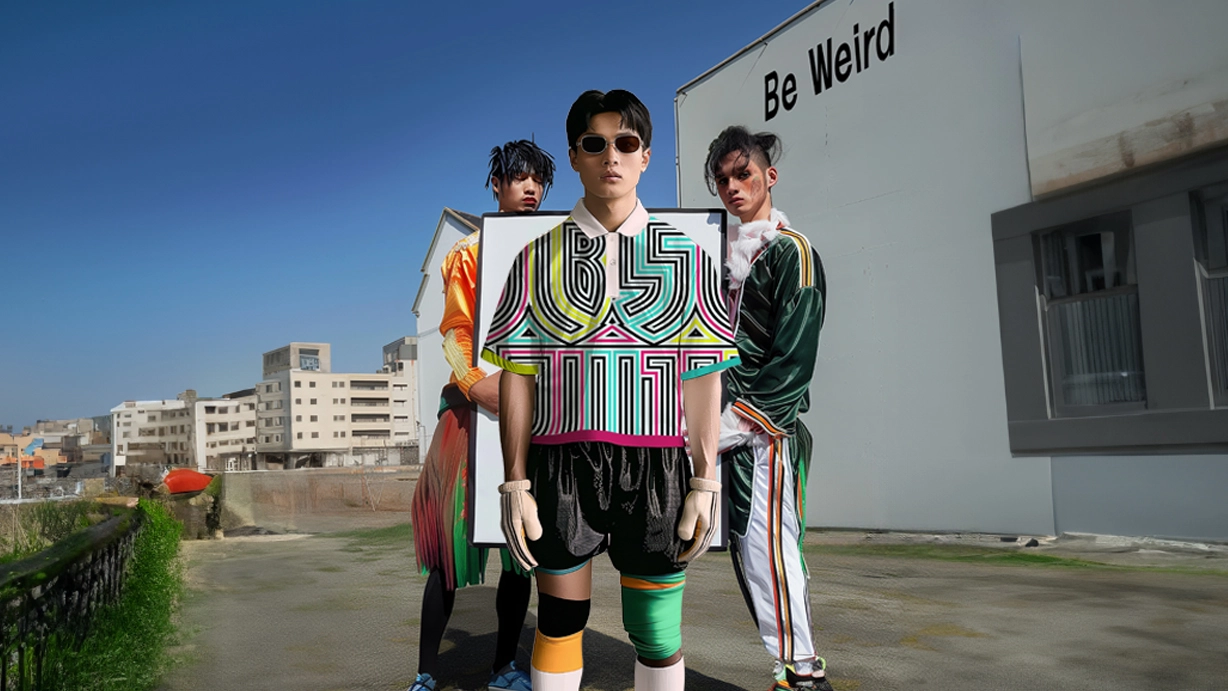
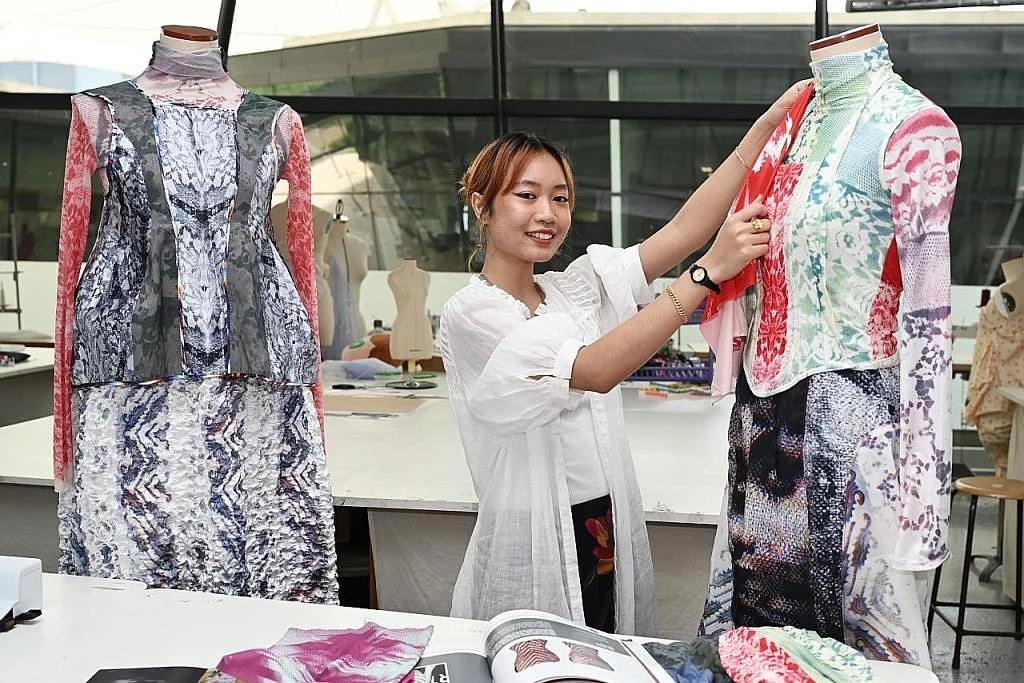
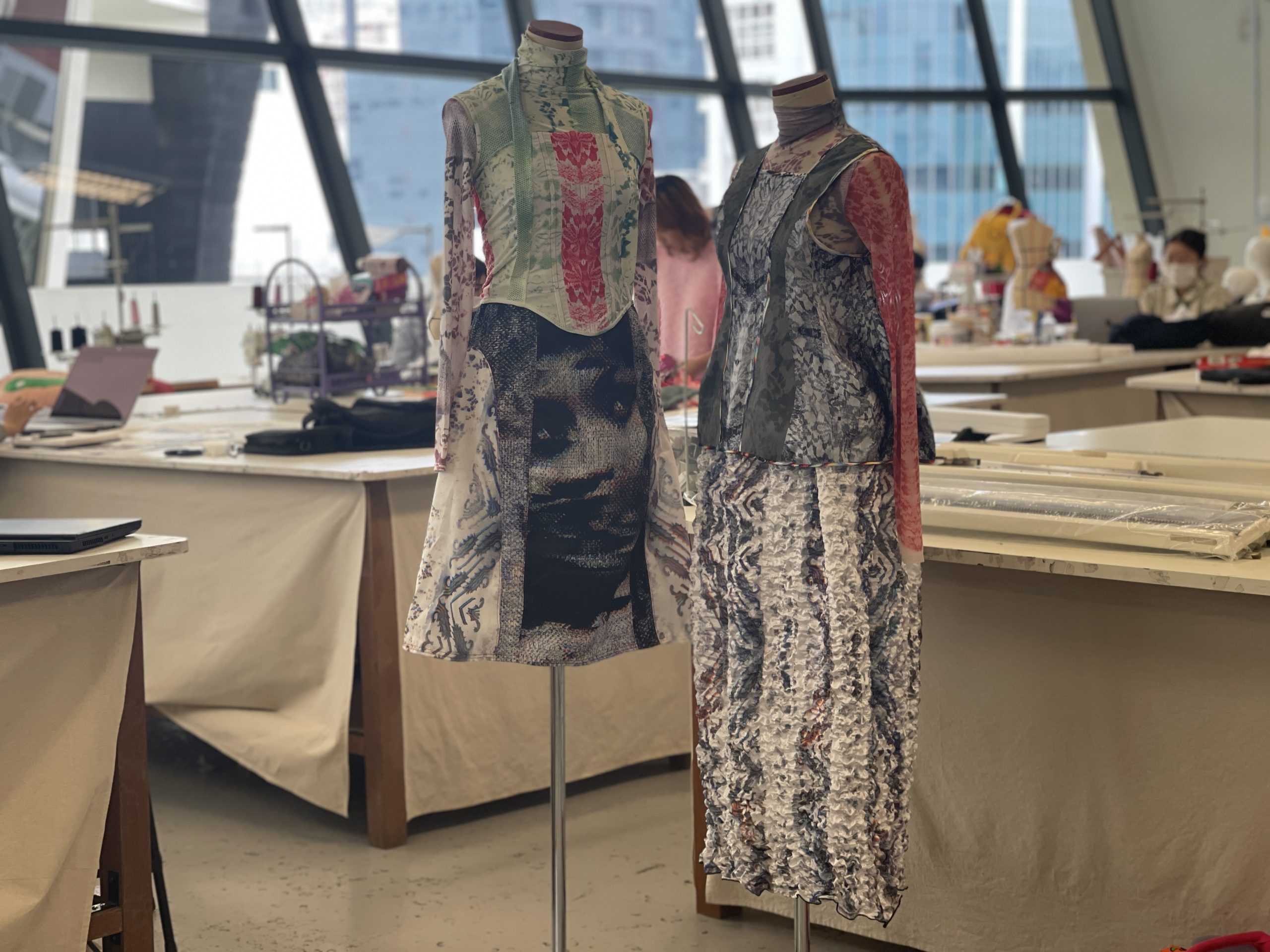
I was recently discussing a project with a student who had first manually created a collage to bring together her vision for a series of fashion images for her graduation project. She then used this collage as the visual reference to prompt a generative AI tool, not simply to produce a final image, but to rapidly test how her original vision might translate into different visual possibilities.
What interested me was not the speed at which the images were generated, but what happened next. The student began questioning the images. She raised several questions in my discussion with her, such as: Which reflected the cultural context of the project? What should be retained, discarded, or reworked by hand? She had a clear methodology that guided her creative process and use of the generative AI tool.
That conversation stayed with me because the most important creative act was not in generating the images. The student had already conceived the idea, constructed its visual language and made the initial creative decisions before AI entered the process. The technology allowed her to explore possibilities more rapidly, but she still had to decide what was worth pursuing.
Beyond the prompt
Just five years ago, testing that many visual possibilities would have required considerably more time and technical production. Today, generation can happen almost instantly. However, judgment cannot.
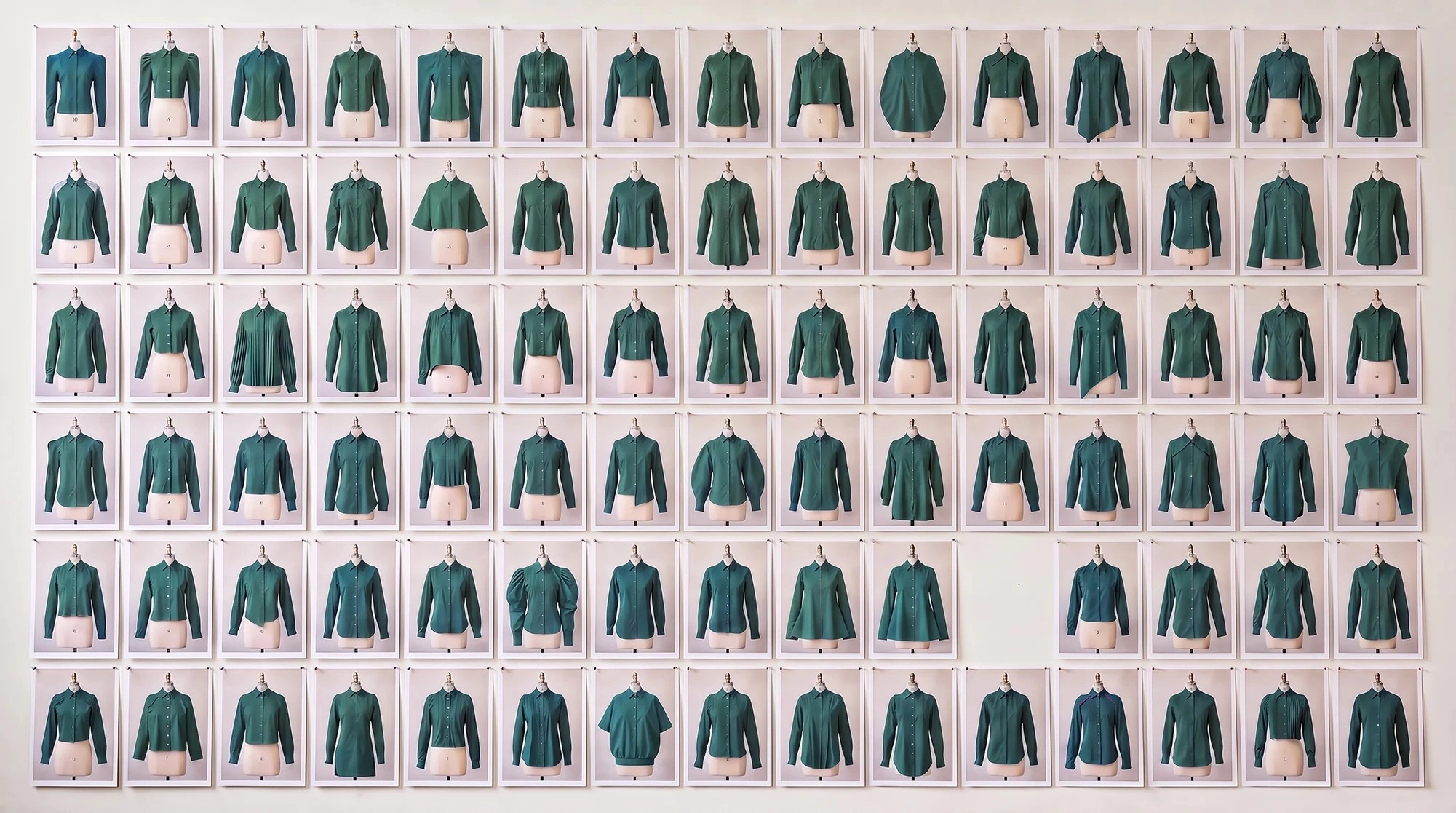
Touchdown. A tired but excited bunch at the Fukuoka Airport.
It was a reminder that our role as educators is no longer simply to teach students how to use generative AI. Many are already experimenting with it. Hence, our key responsibility is to enable them to develop the critical judgment that allows them to direct the technology with intention, rather than simply follow what it produces.
Throughout history, major technological shifts, from photography and synthesizers to digital editing software, have been met with fears that technology would diminish traditional craftsmanship. Yet these technologies did not eliminate artistry. They changed where craftsmanship was expressed.
Generative artificial intelligence (AI) is another such turning point. Singapore’s move to build AI skills into education from 2027 is therefore neither surprising nor overdue. For aspiring creatives, the more pressing question is no longer how to use these tools, but what comes after the prompt: what must they learn that AI cannot decide for them?
The value of craft is moving upstream
The role of the creative professional is shifting. The creative is no longer necessarily the person who makes every individual asset. Increasingly, they are the person who understands why something should be made, for whom and what it should mean.
This also changes how we think about value in the creative industries. When AI can produce an increasing volume of content quickly, the value of creative work cannot rest solely on the labor required to produce it.
We are already seeing this reflected in conversations with industry. Employers are increasingly interested in graduates who can move between creative, strategic and technological contexts rather than operate within a single narrowly defined role. The ability to generate an image or execute a piece of content remains valuable, but so is the ability to interpret culture, understand audiences, articulate a point of view and connect creative decisions to a wider brand or business objective.
Take the fashion and media landscape, for example. Traditional publishing models are giving way to broader ecosystems built around communities, experiences, partnerships, intellectual property and cultural relevance. At the same time, AI is transforming how content is produced and distributed, while audiences increasingly seek meaning, trust, identity and connection.
This shift is reshaping the talent the industry needs. Editors are becoming cultural strategists, marketers are becoming community builders, and content creators are becoming narrative architects. As technical execution becomes increasingly automated, value will lie in the ability to read cultural and behavioral shifts, connect disciplines and translate those insights into meaningful narratives, experiences and communities.
Nurturing the creative voice
This philosophy is reflected in how we nurture our students at LASALLE College of the Arts, University of the Arts Singapore. We encourage them to experiment with AI, but place equal emphasis on critique, peer discussion, studio conversations and iterative feedback.
Across the BA (Hons) Fashion Media and Industries curriculum, we have been embedding emerging technology and AI into both creative and strategic practice, rather than treating AI as a standalone technical subject.
For example, in an industry project with an eyewear design and production company, students explored the development of new eyewear concepts, using AI as part of their process to interrogate ideas, research audiences and consumer behaviors, and visualize and test different creative and product directions before bringing them back into the studio for critique and further development.
The important part comes afterwards. Students must defend their choices. Why this direction and not another? What has technology overlooked? Does the outcome respond meaningfully to the intended consumer and cultural context? Where is the student’s authorship visible? And, most importantly, would the work be actually stronger without AI?
This shifts the emphasis from demonstrating that a student can use AI to demonstrating that they know when, why and how to use it. The technology becomes one component within a much larger process involving research, experimentation, critique, industry collaborations and human judgment.
This matters because art has never been solely about producing an outcome. It is also about observing, questioning, and gradually developing a creative voice. Those experiences shape not only the work, but the person behind it. AI does not make these experiences less important. If anything, it makes them more so.
The future of design
So where do we go from here? In my view, there are five capabilities that will become increasingly important.
The first is critical judgment. When AI can generate hundreds of possibilities, knowing which ones are relevant becomes a creative skill in itself. Creatives need to distinguish between what is technically impressive and what is genuinely meaningful.
The second is cultural intelligence. AI can identify patterns in existing data, but it does not genuinely understand cultural nuance or local sensitivities. Creatives must therefore become stronger interpreters of culture, ensuring their work remains relevant and authentic to the communities they engage.
The third is ethical and responsible practice. As AI-generated content becomes more widespread, questions of copyright, intellectual property, transparency and bias will become increasingly central to professional practice. Knowing when to use AI, and when not to, is equally important.
The fourth is interdisciplinary collaboration. Creative professionals will increasingly work alongside technologists, data specialists and marketers. The ability to communicate across disciplines and contribute to complex problems will matter as much as expertise within a traditional creative discipline.
Finally, there is creative curiosity and lifelong learning. Rather than mastering one platform, aspiring creatives need the confidence to experiment and adapt as technology changes. Those who thrive will not necessarily be those who know everything today, but those who know how to keep learning tomorrow.
Ultimately, the industry doesn’t just need people who know how to prompt. As technology increasingly helps us to produce output, education must give emerging creatives the space to consider what is worth making, why it matters and how it should exist in the world.
Kathryn Shannon Sim is Programme Leader, BA (Hons) Fashion Media and Industries, at LASALLE College of the Arts, University of the Arts Singapore.
Source: Branding in Asia. Permission required for reproduction. Access the original story here.
Related news
Branding in Asia: Nur Hidayah Bte Abu Bakar – ‘Great design relies on empathy and purpose’
For their Singapore Design in Focus series, Branding in Asia spoke with Associate Professor Nur Hidayah Bte Abu Bakar, Dean of LASALLE’s Faculty of Design, on Singapore’s design identity, what …
Lianhe Zaobao: Artists: AI can generate "reasonable" content, but it can't give it "soul."
In this article, Lianhe Zaobao explores the impact of artificial intelligence on the arts and creative industries. Kathryn Shannon Sim, Programme Leader, BA (Hons) Fashions Media and Industries, shared: “AI …
Media release: Celebrating Singapore’s pioneering cohort of arts university graduates
The University of the Arts Singapore (UAS) and its founding members, LASALLE College of the Arts (LASALLE) and Nanyang Academy of Fine Arts (NAFA), held its first joint Commencement ceremony. …
ELLE Singapore partners up with LASALLE College of the Arts to spotlight the next wave of fashion creatives
ELLE Singapore ties up with students from LASALLE College of the Arts on a six-month editorial initiative that reimagines High Summer through a distinctly Singaporean lens, bridging fashion education with …
BERITA Mediacorp: Cantonment MRT station becomes a fashion runway for LASALLE graduates Ahmad Hanif and Nurul Izza
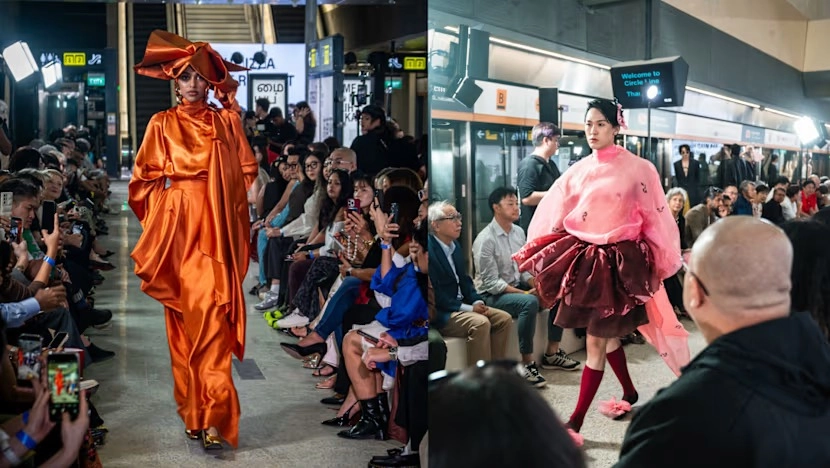
Cantonment MRT Station was transformed into a stage for a fashion show when 14 graduates from the LASALLE College of the Arts’ BA (Hons) Fashion Design and Textiles programme presented …
VOGUE Singapore: These 14 LASALLE College of the Arts designers turned an MRT station into Singapore’s most unexpected runway
According to VOGUE Singapore, with LASALLE’s 2026 Graduate Fashion Show being held at an MRT station, Singapore’s fashion has never looked more exciting. 14 final-year students from the BA (Hons) …
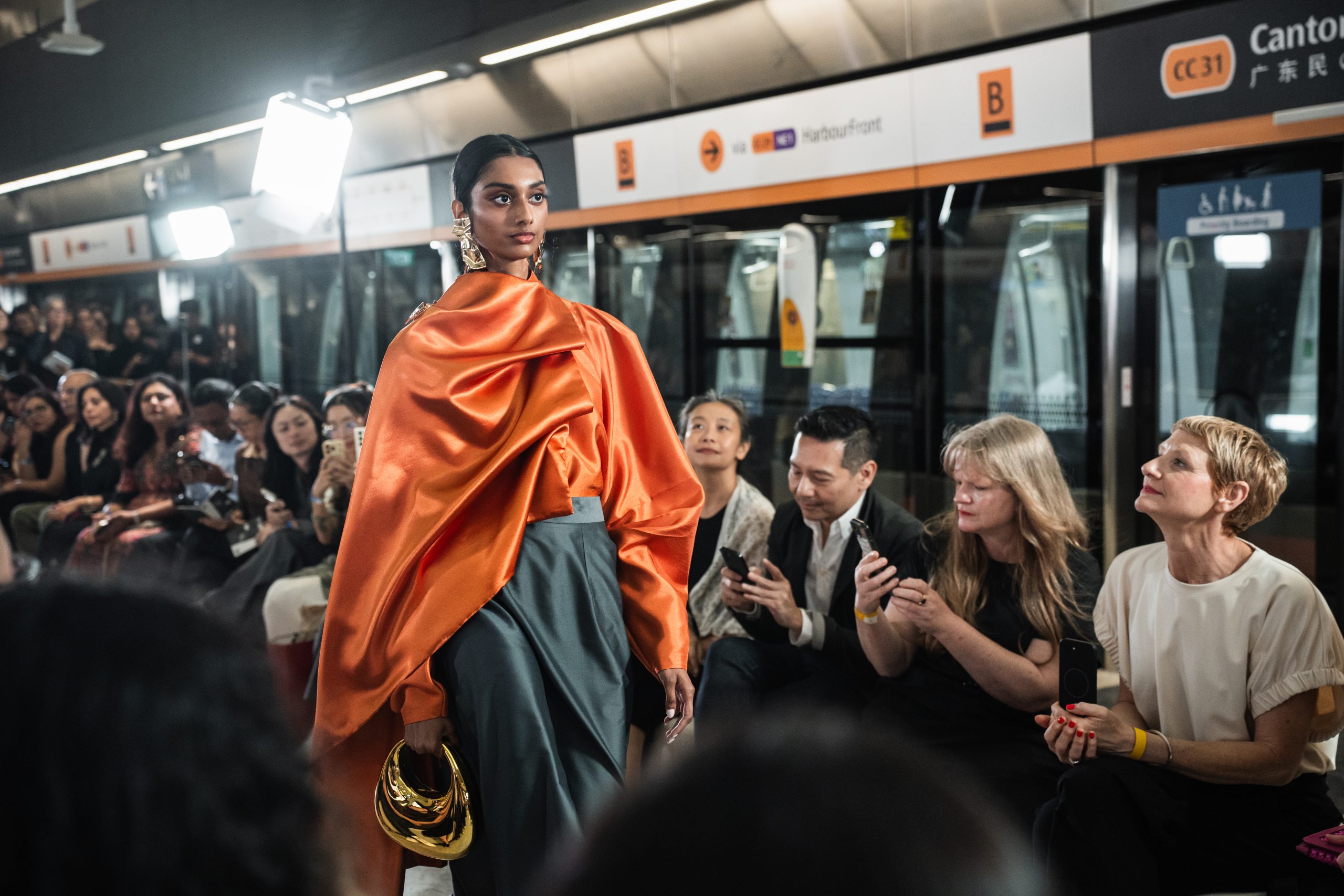
F ZINE: The LASALLE Graduate Fashion Show 2026 Gave Us Hope
Themed DE:CENTERING, LASALLE’s graduate fashion show 2026 was a nod to how designers in the region are drawing from local contexts, traditions and narratives, instead of adhering to long-entrenched Western …
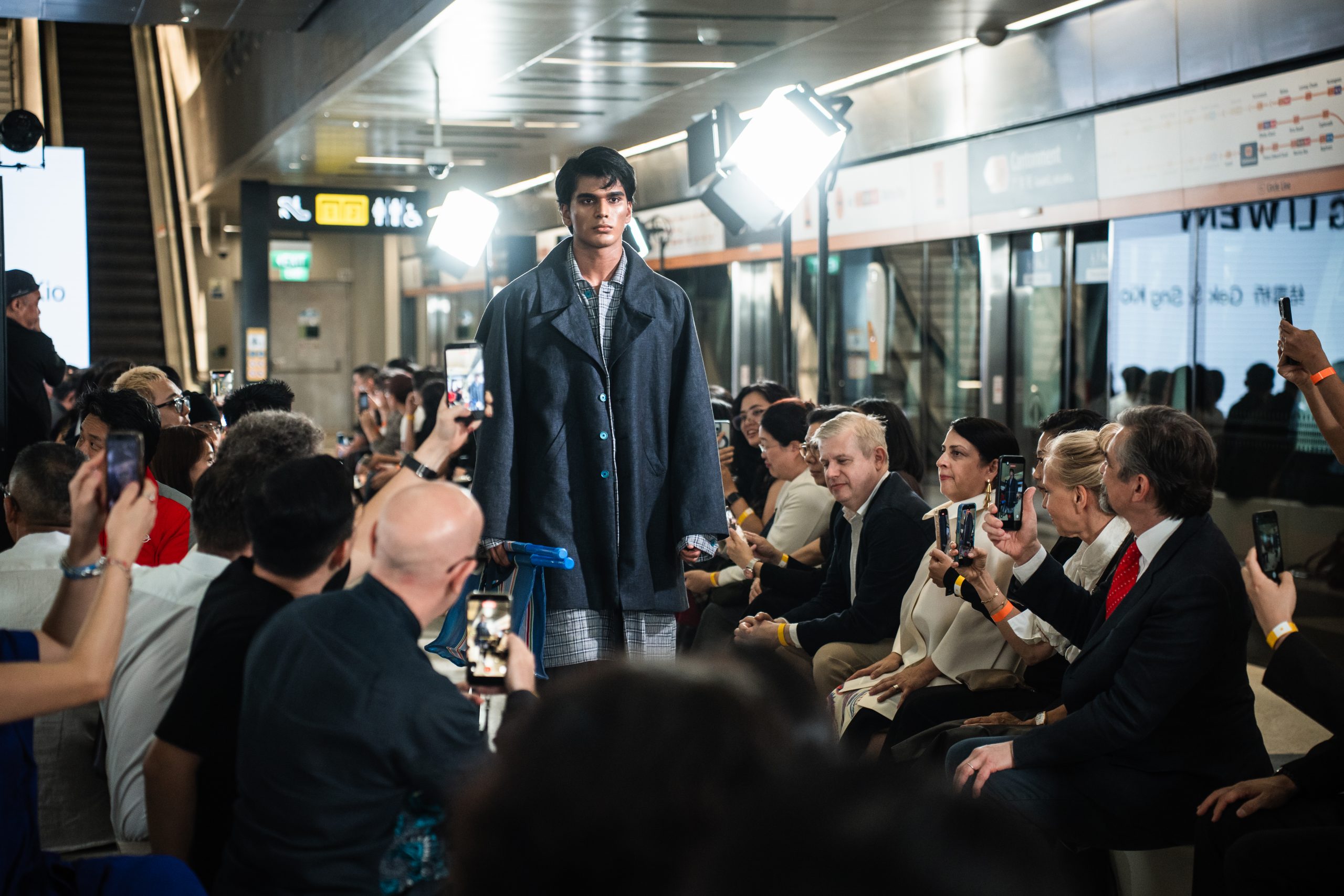
AsiaOne: ‘MRT Gala’: LASALLE’s graduation show at Cantonment station draws praise
For its 2026 Graduate Fashion Show, LASALLE College of the Arts turned the upcoming Cantonment MRT station into a fashion runway. Themed DE:CENTERING, the show spotlighted 13 collections designed by …
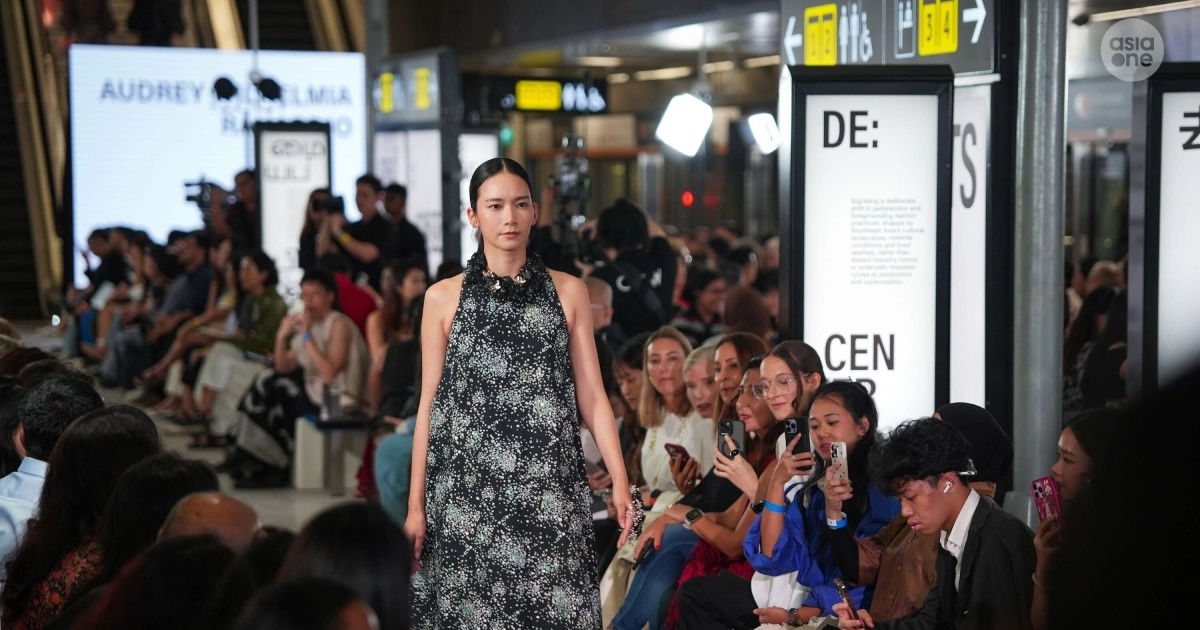
Media release: LASALLE College of the Arts presents a new generation of fashion designers foregrounding Asian culture and lived realities
Thirteen fashion collections that foreground and contemporise Asian culture and fashion practices were unveiled at LASALLE College of the Arts’ 2026 graduate fashion show. Designed by final year students who …
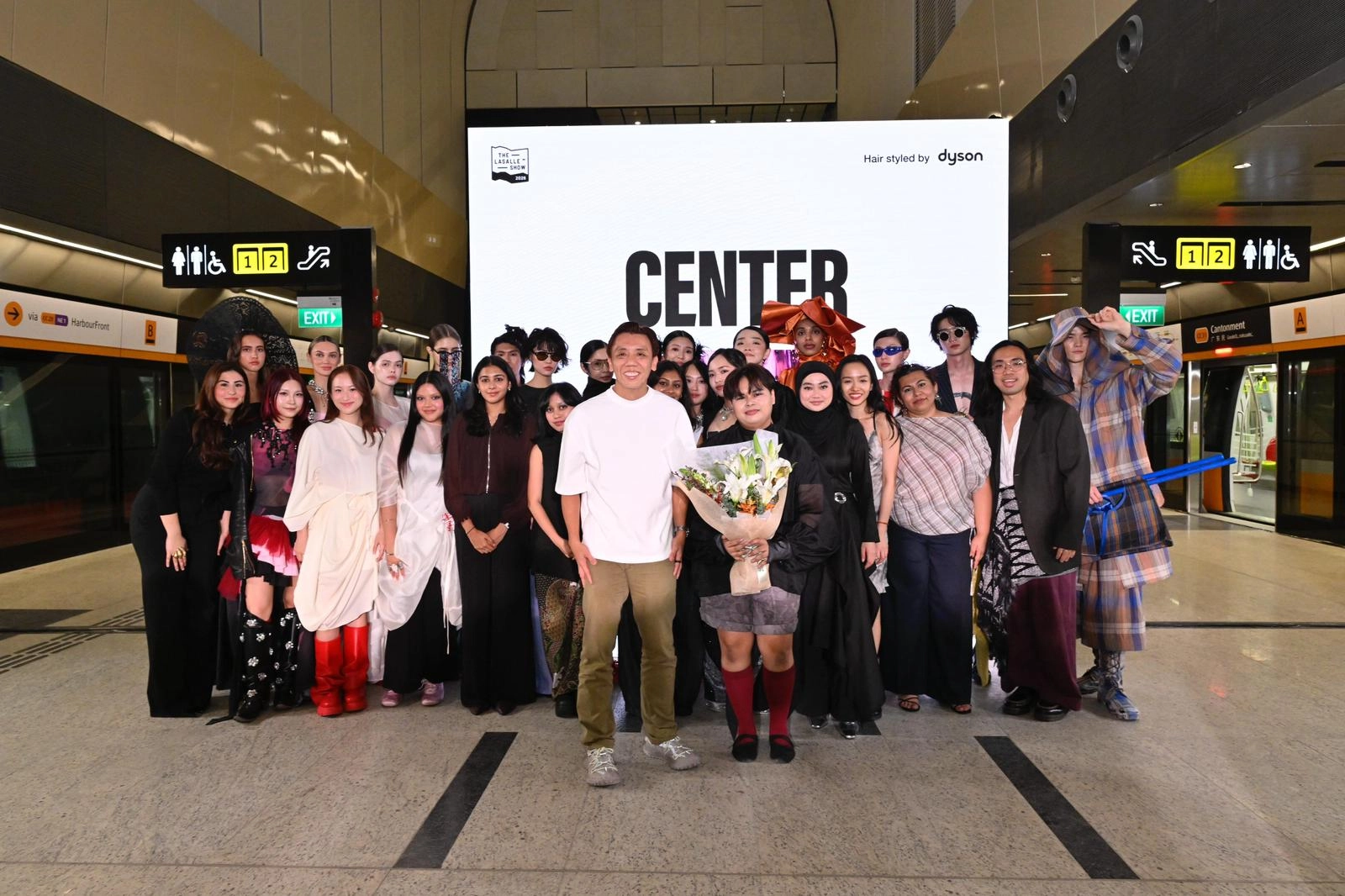
Over 600 original student works in contemporary arts, design and performance to be unveiled at The LASALLE Show Exhibition 2026
Over 600 works by final year students from the Diploma, BA (Hons) and MA programmes at LASALLE College of the Arts, University of the Arts Singapore will be unveiled at …
The Straits Times: Cool clothes a hot topic
In this article, The Straits Times explores how Southeast Asian designers are creating fashion for warmer climates. Fashion lecturer Daniela Monasterios-Tan observed that industry players are invoking the tropics more …
FEMALE: What Went Down: LASALLE’s 2025 Graduate Fashion Show
FEMALE takes a behind the scenes look at the 2025 graduate fashion show, where ten final year students from the BA (Hons) Fashion Design and Textiles programme unveiled their thoughtful and diverse fashion …
Lianhe Zaobao: Technology cannot replace social issue exploration through artistic forms
Art and design play a crucial role in the development of various industries, and a sense of curiosity, empathy, and creativity are qualities that machines cannot replace. Minister for Manpower …
Media release: LASALLE’s next-generation fashion designers blend heritage with contemporary design in 2025 graduation show
Ten diverse fashion collections that explore the relationship between humans, technology and nature were unveiled at Rewoven Ties, LASALLE College of the Arts’ 2025 graduate fashion show. Designed by final year …
Tamil Murasu: Innovative fusion of lifestyle elements in fashion design
Ponni Ashok, who graduated with a BA (Hons) Fashion Design and Textiles, created for her graduation collection a range of garments made using upcycled saris, inspired by the back of …
FEMALE: Insights from graduates of LASALLE College of the Arts
In FEMALE’s July 2024 edition, graduates Sadiq Shah, Rynna Shazrina, Lucas Tan and Ponni Ashok speak about their final year projects, what they love about their disciplines and the lessons …
Berita Harian: LASALLE student produces fashion inspired by the environment
BA (Hons) Fashion Design and Textiles graduate Rynna Shazrina believes that sustainable fashion should be a norm, and all designers should try their best to promote social, cultural and environmentally …
Berita Harian: His father’s bold fashion sense inspired his fashion collection
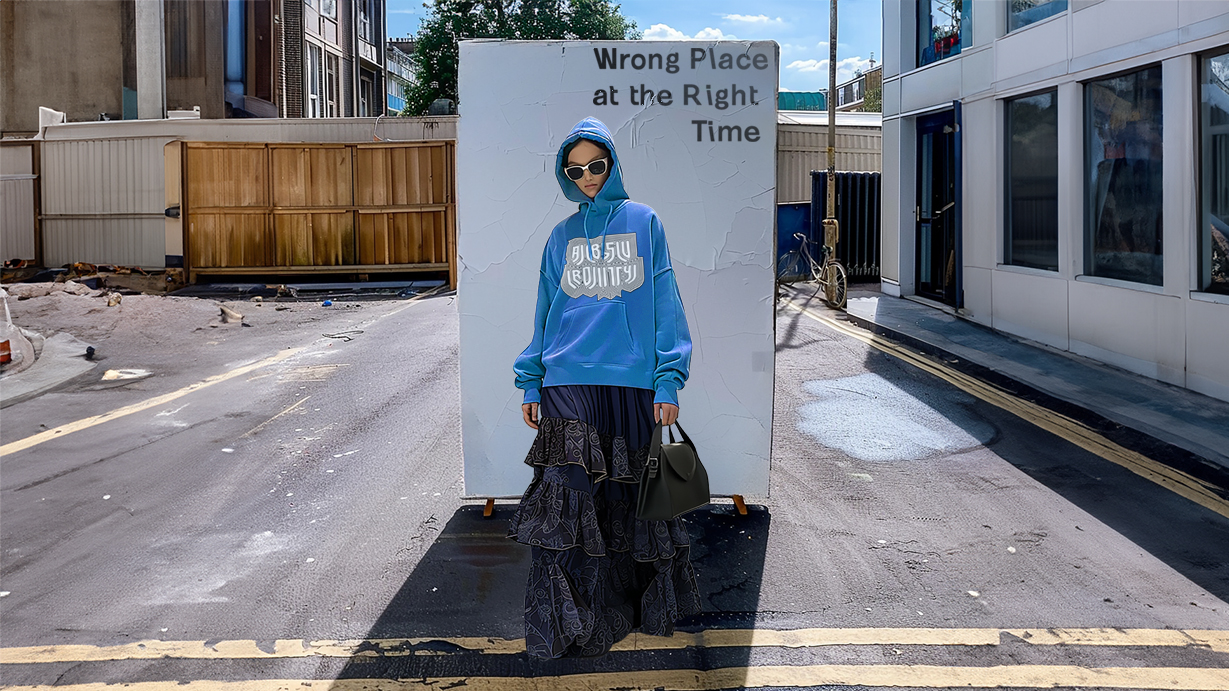
BA (Hons) Fashion Media and Industries graduate Syukri Gray Ahmad did not take long to think about the theme of his final year project. Syukri’s fashion brand, 2702 ABSURDITY, is …
Berita Harian: A digital fashion collection designed to reflect feelings, thoughts
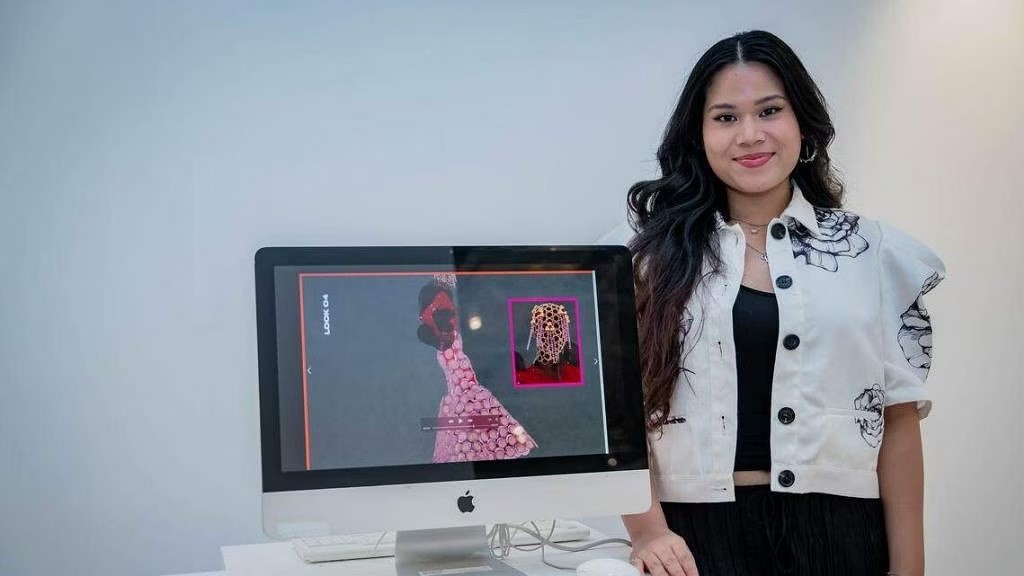
Puteri Navet, who is graduating from the BA (Hons) Fashion Design and Textiles programme, believes that fashion is in her DNA, and knew she wanted to pursue fashion while staying …
Media release: Final year students at LASALLE College of the Arts reimagine the future of fashion
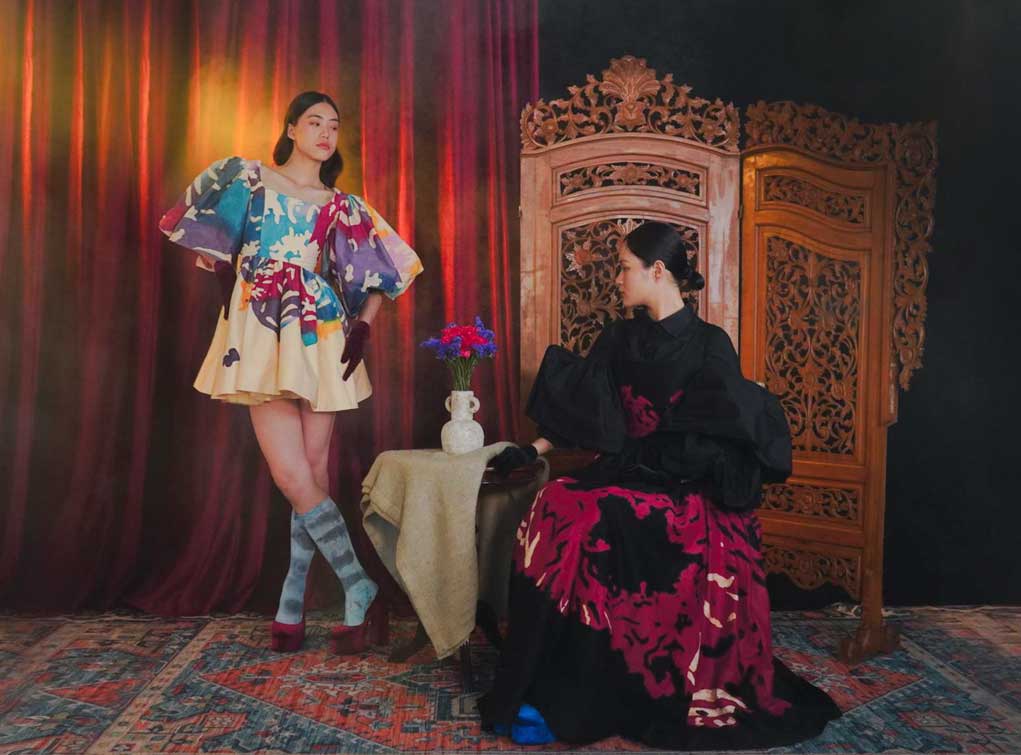
Twelve collections that reimagine a better approach to fashion were unveiled at LASALLE College of the Arts’ 2024 graduate fashion show on 7 May 2024. The final year students, who …
Shin Min Daily News: Singapore fashion showcased in South Korea
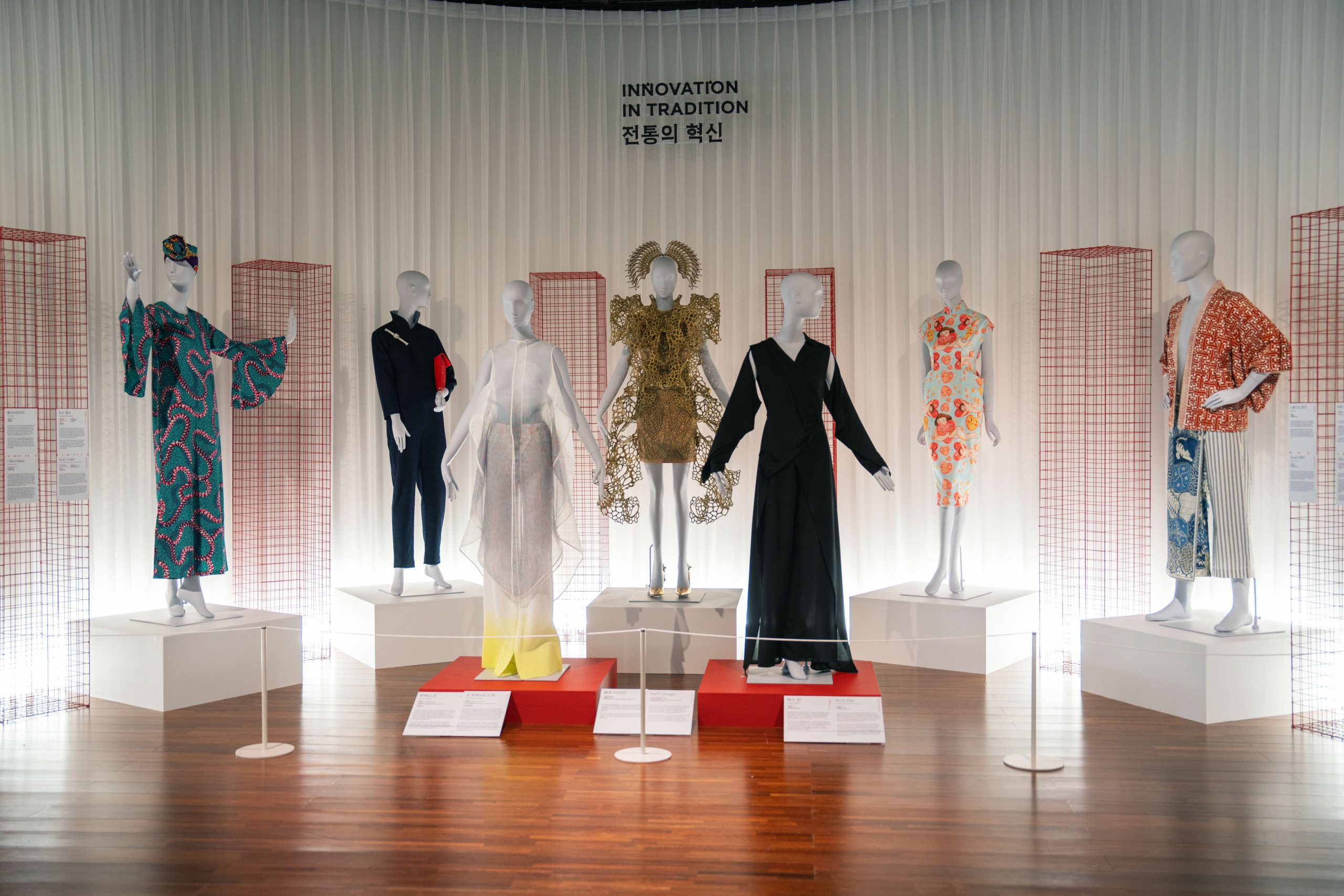
SGFASHIONNOW, a collaboration between LASALLE and the Asian Civilisations Museum, returned this year for its third and largest iteration in Busan and Seoul. This year’s exhibition travels to South Korea …
BERITAmediacorp: Two LASALLE College of the Arts graduates pursued their dreams to achieve a Bachelor of Arts (Honours) degree
After waiting for so long, 35-year-old Muhamad Lokman Mohammad’s dream of getting a degree has finally come true. He was among 832 LASALLE College of the Arts students who graduated …
Media release: Fashion designers at LASALLE College of the Arts explore transitions in 2023 graduate fashion show
What would a more equal fashion ecosystem look like? How can the designers of tomorrow be guided by greater empathy, inclusivity and diversity? How do we care for each other …
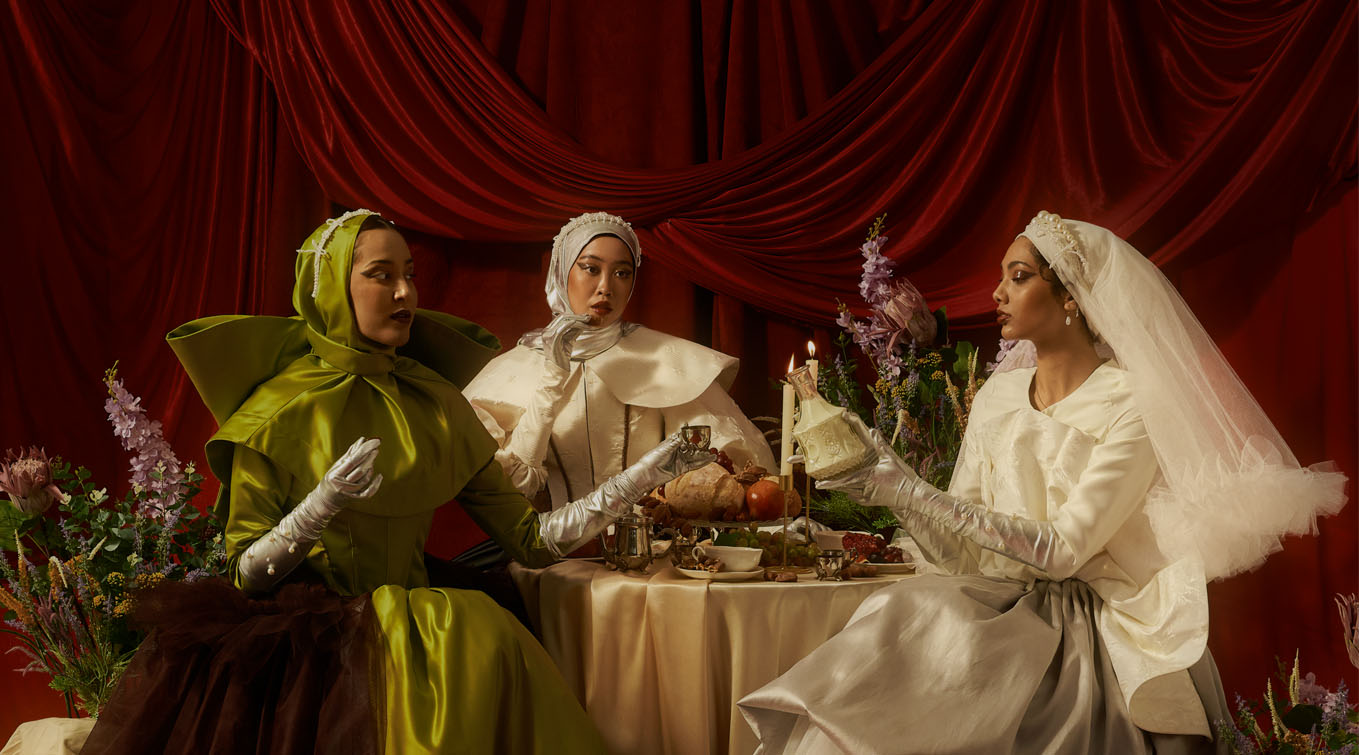
Harper’s Bazaar: Young Talents Put A Gen Z-Spin On Chanel’s SS23 Accessories
Harper’s BAZAAR Singapore has always been about nurturing new talent and uplifting the next generation. Committed to the BAZAAR Academy for eight years now—linking educational institutions in this country with …
Harper’s Bazaar: NewGen 2021 Winner Justin Chua On Life At Istituto Marangoni London
In 2021, Justin Chua clinched the top prize at Harper’s BAZAAR Asia NewGen Fashion Award with his clear vision, aesthetic sensibility and commitment to craft. The LASALLE College of the …
Berita Harian: Saloma’s kebaya fashion becomes an inspiration
Each time she accompanied her father to watch P. Ramlee’s classic film featuring the graceful and well-dressed singer-actress, Saloma, BA(Hons) Fashion Design and Textiles alumna Iris Zulfa Binte Mohamad Isa …
BERITAmediacorp: Saloma’s kebaya and the kampung house structure inspire these LASALLE College of the Arts graduates
Noticing that not many women wear kebaya these days, a 22-year-old from LASALLE College of the Arts came up with a new idea to make the kebaya popular again. Iris …
Media release: Using art to turn negative spaces into positive ones at Raffles Place
LASALLE College of the Arts, Raffles Place Alliance and Publicis Singapore have come together to present an exhibition that transforms negative social distancing spaces into positive spaces for art. In …